Future Forum Ocean
The Future Forum Ocean (FFO) is a joint body of the marine research community in Germany with the aim of discussing and developing forward-looking overarching scientific and research strategy issues in this field as a forum.
Against the background of the disciplinary range of tasks and functions of the actors in German marine research, the FFO works on overarching and future issues. These should have a high social relevance in relation to the ocean and the coastal sea, as well as address basic and applied research priorities in Germany and Europe.
The science-driven work of the FFO makes it easier to jointly and visibly represent the interests of marine research in Germany to national decision-makers, the European Union and the public. The FFO actively contributes the resulting perspectives to the prioritisation and design of funding programmes and helps to coordinate German contributions to international activities.
The FFO is supported by the breadth of German marine research and staffed by elected, independent experts with temporary mandates to develop creative ideas and contribute interdisciplinary expertise.
The members of the FFO have been appointed by over twenty organisations, including universities, authorities, research institutes and museums, as representatives of the German marine research community. They represent the outstanding expertise and broad diversity of German marine research, both scientifically and personally.
Latest news
How does the Future Forum work?
The Future Forum Ocean aims at a broad range of strategic activities related to ocean and coastal research.
The members of the Future Forum Ocean propose thematic focal points, which are prioritised in consultation with all members. From these, interdisciplinary working groups develop concrete products.
The Future Forum Ocean deals with the following tasks in the form of discussions, comments, strategy papers or memoranda:
- Integrative future topics of marine research
- Basic and applied issues of interdisciplinary marine research with a focus on strategic and funding policy perspectives in marine research.
- Strategic orientation and structure of German marine research
- Intensification of cooperation within German marine research including the development of joint research activities
- Intensification of cooperation within European and international marine research
WORKING FIELDS
Inter- and Transdisciplinary Research
German Ocean Science Opportunities (GOSO)
Attractiveness and prospects of academic careers in the marine sciences (ECR_Ocean)
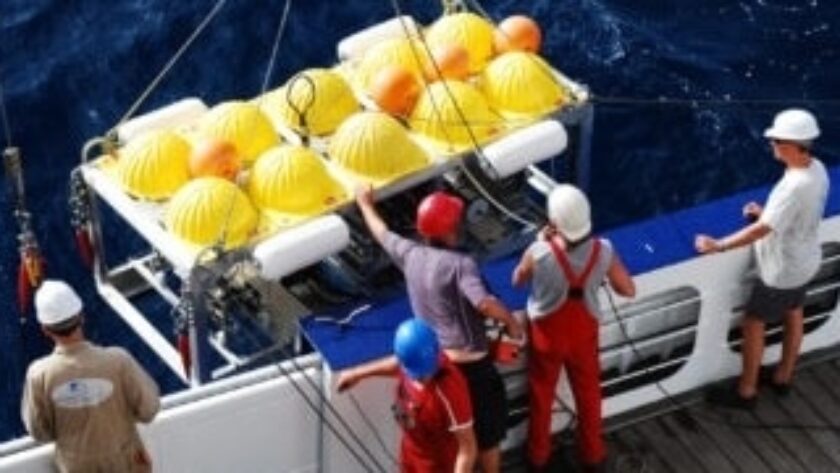
Research infrastructure for observing the sea: needs and visions (MareObs4all)
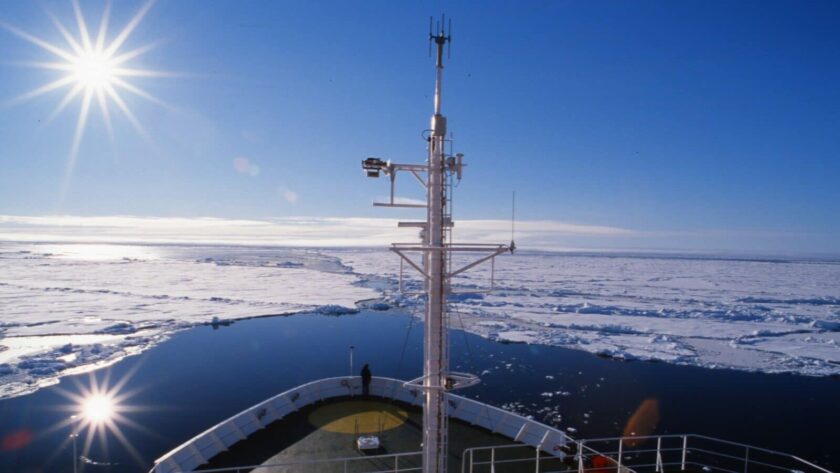
Perspectives of the MARE:N programme
Completed
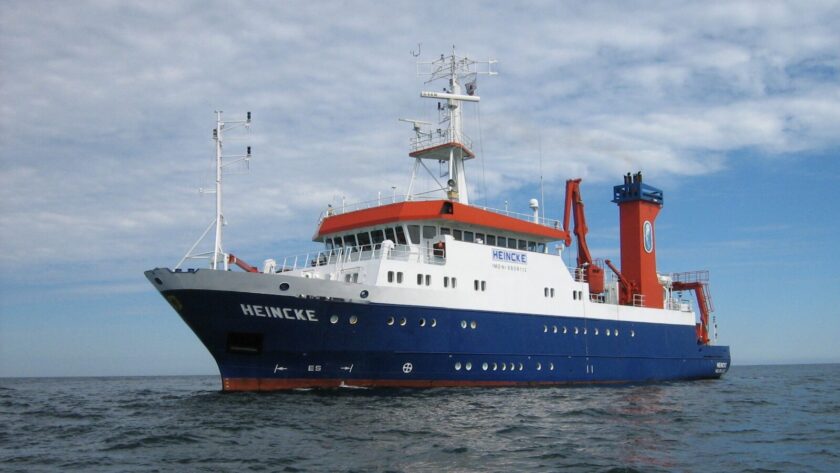
German research fleet
Members
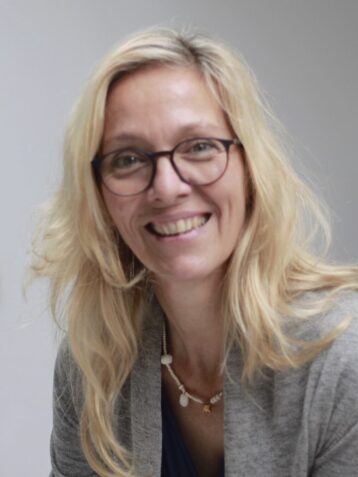
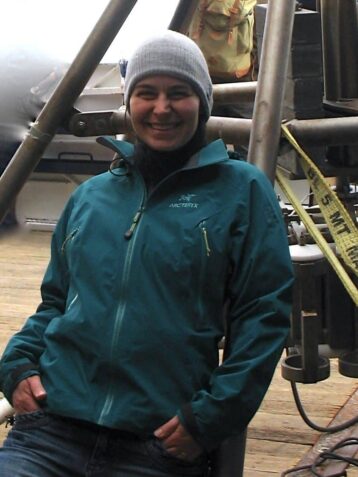
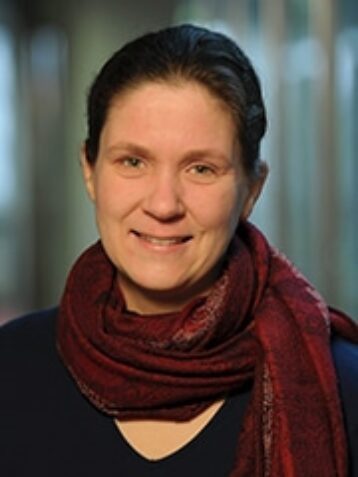
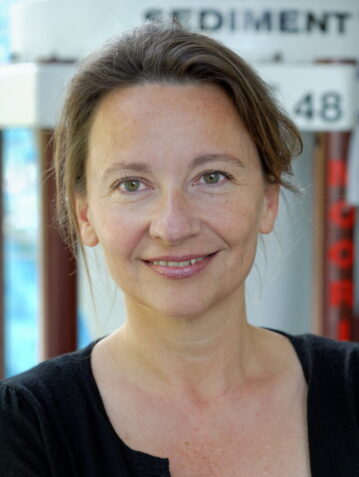
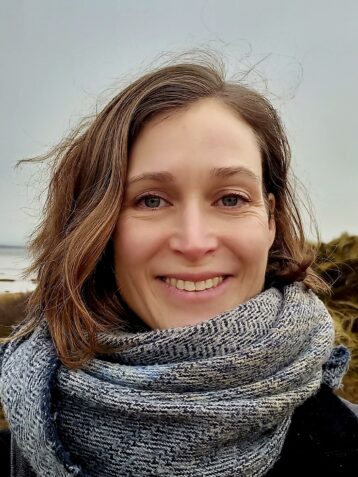
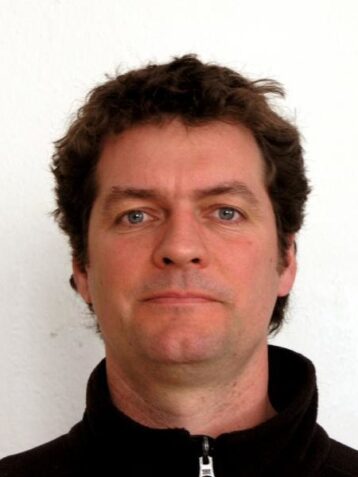
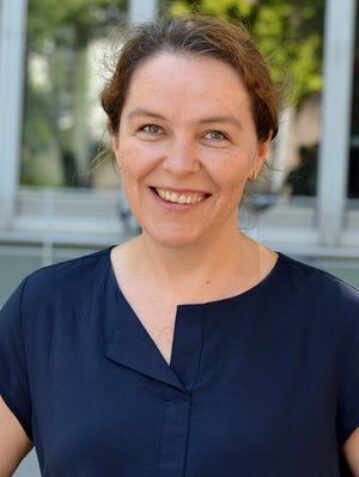
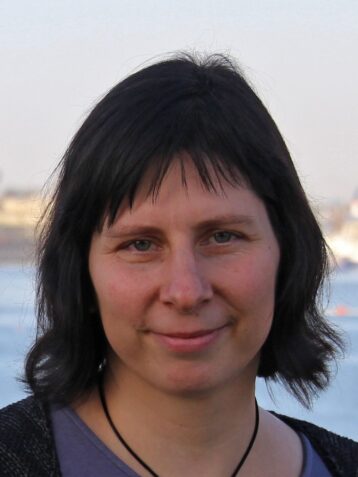
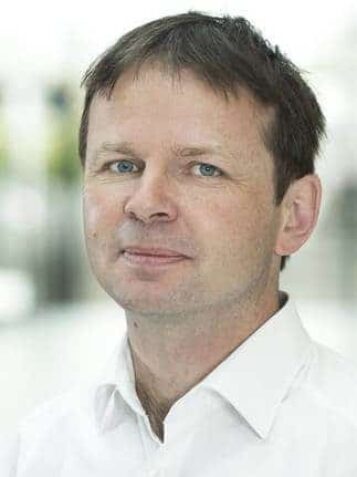
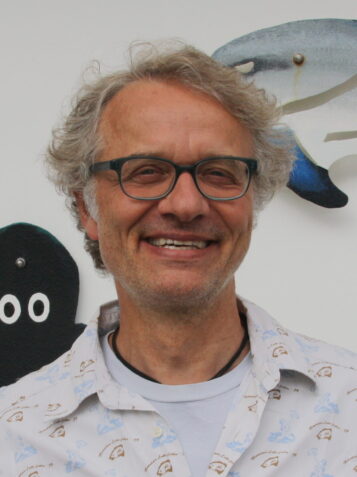
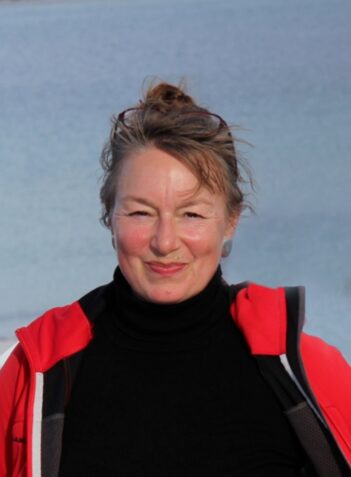
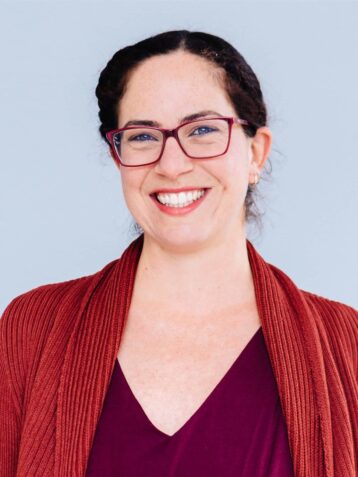
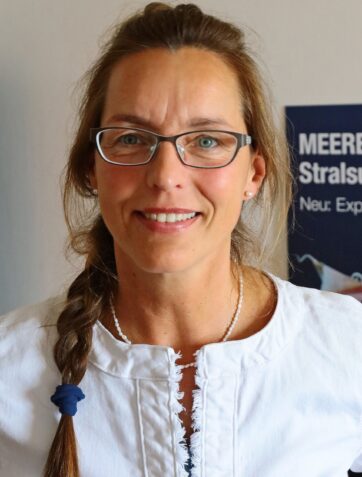
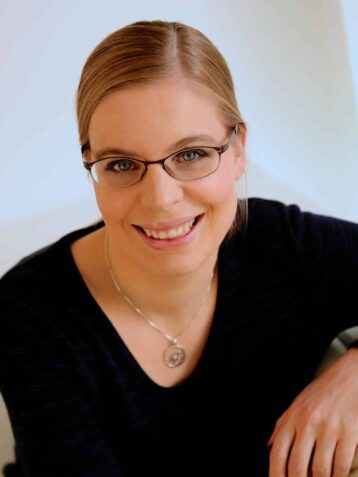
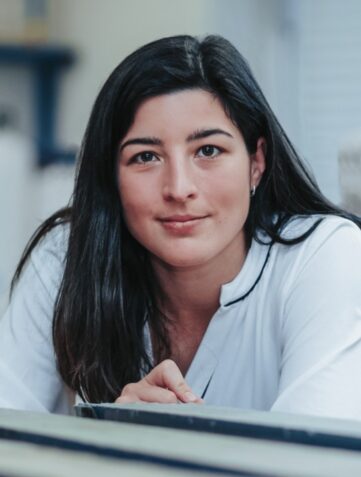
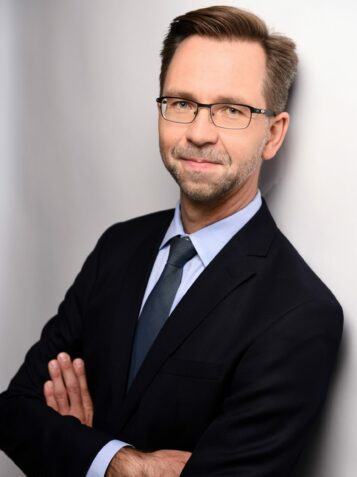
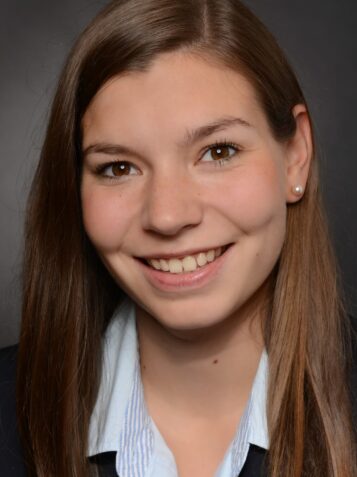
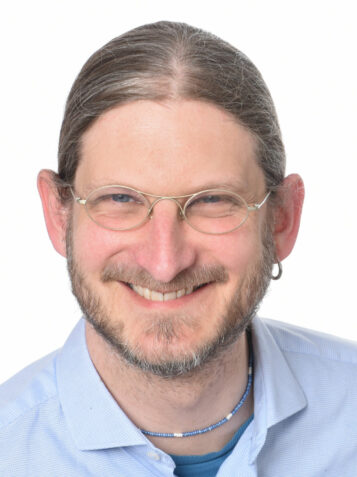
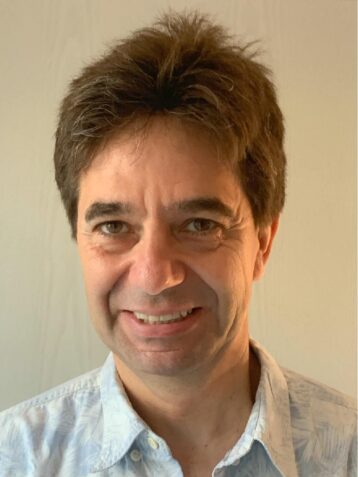
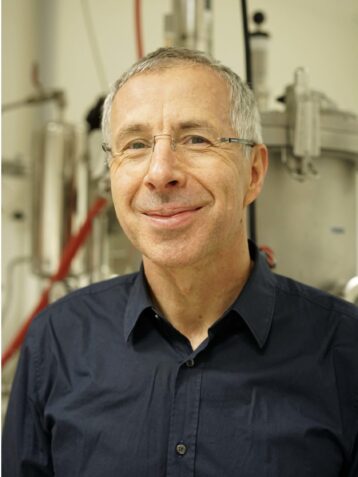
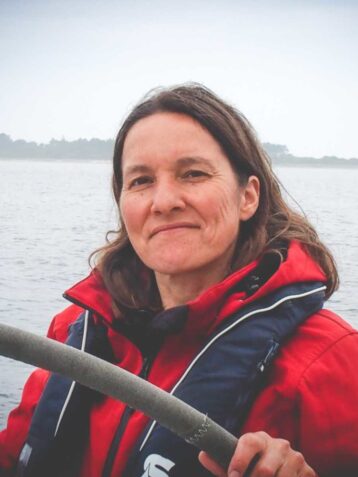
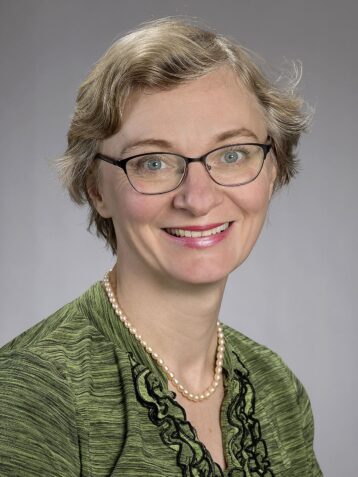
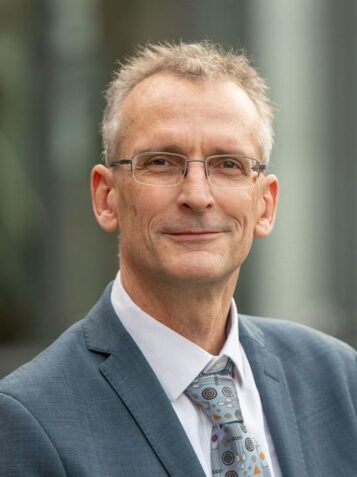
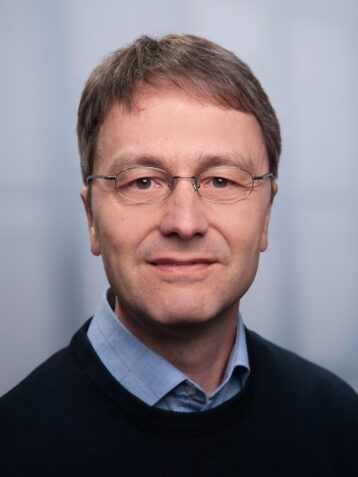
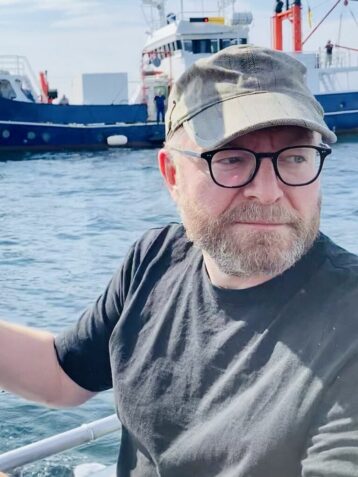
Alumni 2020-2022
- Prof. Dr Gerhard Bohrmann MARUM Centre for Marine Environmental Sciences and Department of Geosciences at the University of Bremen
- Prof. Dr Julia Gottschalk Christian-Albrechts University of Kiel
- Prof Dr Helmut Hillebrand Carl-von-Ossietzky University Oldenburg and Helmholtz Institute for Functional Marine Biodiversity
- Prof. Dr Jochem Marotzke Max Planck Institute for Meteorology
- Dr Hanieh Saeedi Senckenberg Research Institute and Natural History Museum
- Prof. Dr. Torsten Schlurmann Coastal Research Centre, Leibniz University of Hanover
- Prof. Dr Martin Visbeck GEOMAR Helmholtz Centre for Ocean Research Kiel
- Prof. Dr Karen Wiltshire Alfred Wegener Institute, Helmholtz Centre for Polar and Marine Research
- Prof. Dr Oliver Zielinski Leibniz Institute for Baltic Sea Research Warnemünde
DAM-Newsletter
Always up to date with the DAM newsletter. (German only)
Our Sponsors
The federal government and the governments of the five northern German states support the current development and sponsor the DAM.