Marine Social & Cultural Sciences
Marine-Human Relations
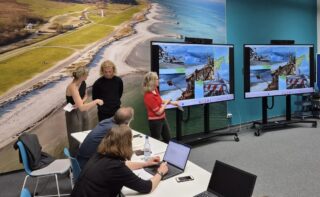
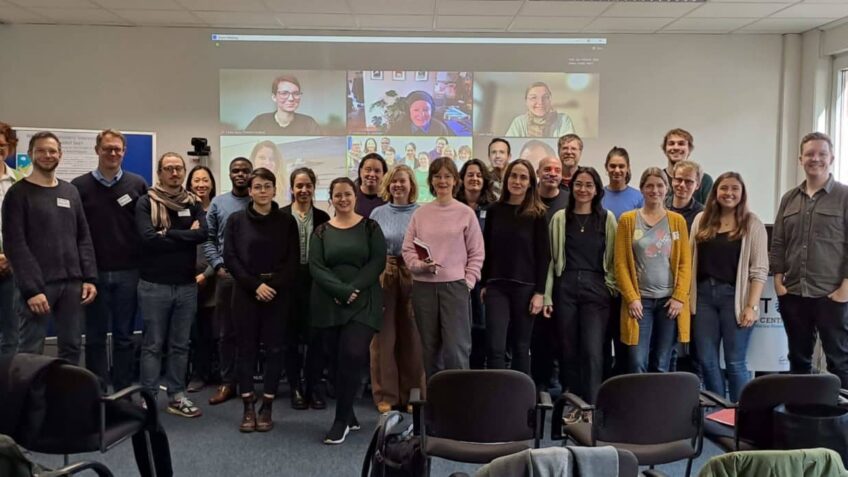
The Social and Cultural Sciences Strategy Group provides a forum for a very diverse community of scientists who are concerned with the ever-increasing impact of humans on the marine ecosystem and the impact of these changes on humans.
Latest News
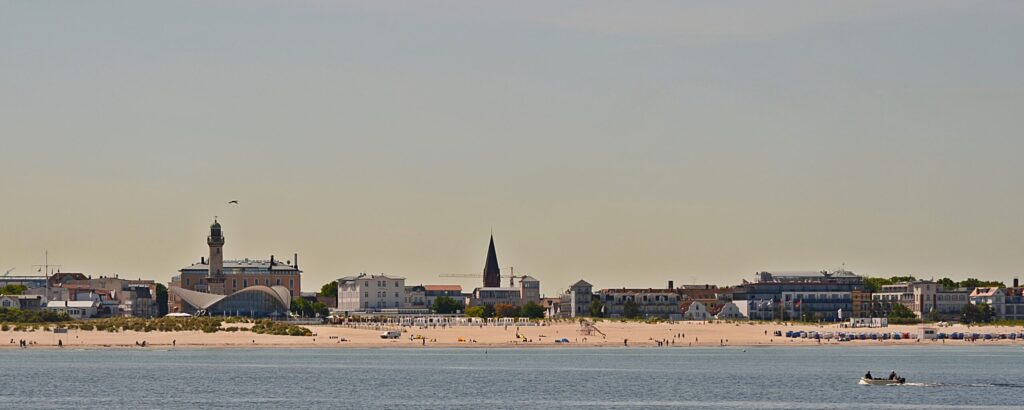
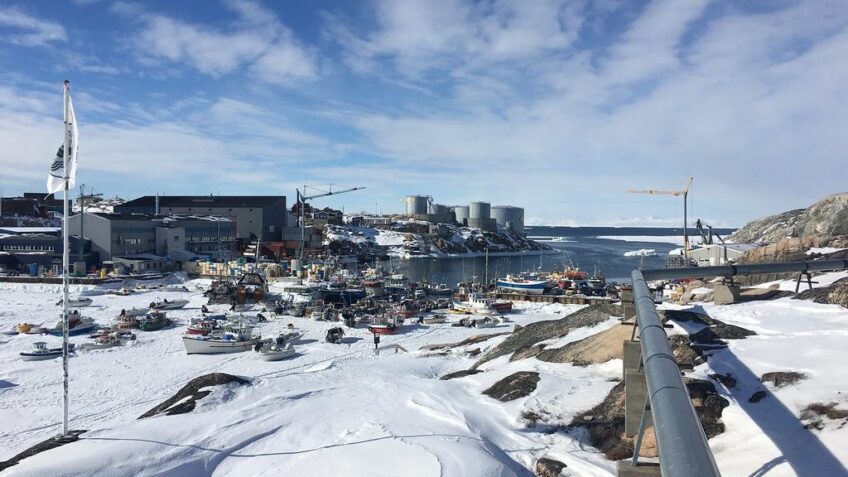
The sea is being used more and more intensively by mankind and is thus becoming more and more significant. Whether in terms of traditional uses, such as food production, shipping routes and coastal development, or in terms of new uses, e.g. as a sink for carbon dioxide, through diving tourism, aquarium trade or deep-sea mining. Thus, humans also have an ever greater influence on the marine ecosystem and anthropogenic pressure on coasts and seas is steadily increasing. The increase in importance is also reflected in the increase in political attempts at regulation and negotiation processes at national, regional and international level. The recently published EU communication ‘International Ocean Governance: An Agenda for the Future of our Oceans’ illustrates this once again.
In this respect, the need to scientifically survey and analytically reflect on governance mechanisms, social forms of organisation and visions of the future related to the sea and its resources is also steadily increasing. This is also expressed in the increasing demand for corresponding social and cultural science expertise – especially on the part of policy-making, science management and international non-governmental organisations. The members of this strategy group contribute with their expertise to the processing of current questions.
The following four thematic areas are the focus of our interest:
- Marine governance for sustainable development
- Marine & coastal transformation research
- Social-ecological & technological systems analysis
- Marine Peace and Conflict Research
A story map of selected research topics and projects of the strategy group
Members
-
Businessporträts | ©KDM Research interests:
- Marine Social Sciences
- Science Studies
- Cultures of knowledge
- Social and societal theories
- Collaborative research methods
-
©KDM Research interests:
- Multi-level ocean governance and sustainable development
- International climate and maritime policy organisations
- Political knowledge integration
- Public participation
-
Research interests:
- Institutions (rules) for the sustainable use of tropical marine coastal ecosystems and their transformation
- Emergence and promotion of cooperation in the shared use of the coast and the sea
- Behaviour of people as central actors in the socio-ecological system of coast and sea
-
Research interests:
- Fishers´ and fishing behaviour
- Biographical research
- Structural change in fisheries
- Fisheries Discourses
- Stakeholder engagement
-
-
Research interests:
- Marine and Environmental Anthropology
- Science and technology research
- Political economies and ecologies of waste, pollution and toxicity
- Infrastructures, urban and regional change
- Kinship, Reproduction and the Body
-
Research interests:
- Science-Stakeholder Interactions
- Integrated coastal management
- Small-scale fisheries systems
- Local realities in the use and management of marine resources
- Environmental and development aspects of island states
- Environmental perceptions
- Inter- and transdisciplinarity: interfaces ecology / social sciences / human geography / environmental psychology
-
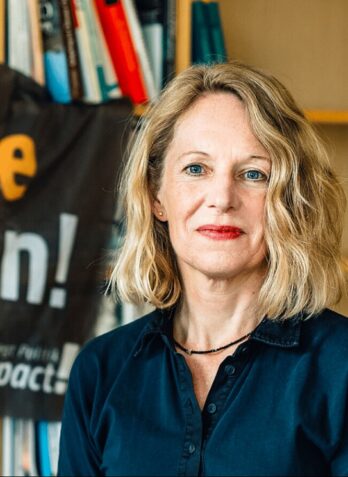
Antje Bruns is Professor of Human Geography (University of Trier) and Head of the Governance & Sustainability Lab. She researches and teaches on the geographies of socio-ecological crises in the Anthropocene and the gaps and blind spots of previous solutions. Antje Bruns positions herself along critical theoretical approaches (political ecology, post- and decolonial theory), which she interweaves with the analysis of alternative practices in order to reflect on transformation and socio-ecological justice.
Research interests:
- Political ecology of the coast
- Urbanisation and coastal cities
- Sustainability, governance and transformation
- Qualitative methods
-
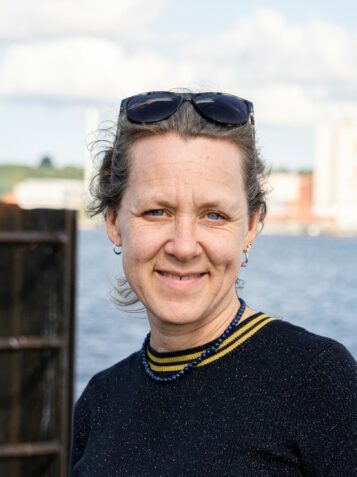
Rebecca Demmler is a research assistant and doctoral candidate in the Department of Sustainability Science and Applied Geography at the University of Greifswald. She studies the individual, psychological, social, and collective dimensions of sustainable behavior, as well as the incentives and barriers to its implementation, with a particular focus on human-environment relationships in marine ecosystems.
-
Research interests:
- Socio-cultural dimensions of maritime spatial planning
- Sustainable marine development
- Transnational Maritime Policy
- Perception of the sea as space and place
- Maritime values and value systems
-
-
Research interests:
- Political ecologies of the coast
- Co-production of nature and society
- Nitrogen management
- Science and Technology Studies (STS)
- Qualitative methods / praxeography
-
Research interests:
- Interdisciplinary and transcultural knowledge production in marine carbon observations
- Ethnography
- (Marine) Science and Technology Research
- Travel of Knowledges
-
Research interests:
- Coastal climate adaptation and governance
- Understanding institutional/political change through mixed theories from institutional economics and political science
- Supporting coastal and marine adaptation decisions in the face of deep uncertainty
-
Research interests:
- Regional security in the Arctic
- International environmental policy in the Arctic
- Interaction of global and regional ocean governance arrangements
- Adaptation of Coast Guards and Navies to Marine and Maritime Change (in the Arctic Ocean)
-
Research interests:
- Environmental governance
- Marine, environmental and urban ethnology
- Environmental activism
- Marine gas and oil production
- Rethinking the blue economy
- North Sea, West African coastal cities
-
Research interests:
- Marine cultural and film studies
- Audiovisual strategies and/or for human-nature narratives
- EcoCinema, EcoMedia and EcoAesthetics
- Environmental Humanities
- Film style and film dramaturgy
- Research shipping and expedition film
-
Research interests:
- Ocean Literacy und Behavioural Change
- Klimagerechtigkeit
- Ocean Connectedness und Marine Identity
- Analyse der Mensch-Umwelt – besonders des Mensch-Meer – Beziehung als Bestandteil einer transformativen Geographie und Umweltpsychologie zur Generierung umsetzbarer Lösungsansätze
-
Research interests:
- Environmental and climate justice
- Social impacts of climate change
- political ecology
- Human geography, social anthropology
- Italy, Mediterranean, Kiribati, Oceania and Northern Germany
-
Research interests:
- Human-environment relations
- Social dynamics of climate change adaptation
- Stakeholder engagement in EU projects
- The role of narratives in environmental management processes
- Science communication
-
Research interests:
- Climate adaptation
- Climate services
- Motivators of climate adaptation decisions
- Sea level rise and storm surges
-
Research interests:
- Ocean governance
- Social constructions of marine spaces
- Science and Technology Studies
- Bathymetry
- Arctic policy
-
-
Research interests:
- Science-Policy-Interaction
- Process and impact research
- Protection and use of marine resources
- Human-nature relations
-
Research interests:
- Link between water availability and conflicts
- Acceptance of renewable energy production in coastal regions and in the sea
- Long-term effects of sea-level rise on river deltas
- Link between climate change and conflicts
-
Foto: Stephan Röhl | Research interests:
- Climate cultures and narrative theory
- Social-ecological transformation in coastal regions
- Bridge concepts for interdisciplinary cooperation between the humanities and natural sciences
-
Research interests:
- Social-ecological coastal transformations
- Human-environment relations
- Caribbean, Mexico, Malta, Mediterranean Sea
- Cultural and Social Anthropology
-
Research interests:
- Ocean Governance Architecture
- Deep sea mining
- Conflicts over marine areas
-
Research interests:
- Sustainable development and governance of coasts and seas
- Human-environment interactions in coastal and marine areas
- Climate and ocean nexus
- Sustainability research
- Transformation research
-
Research interests:
- Marine Social Sciences
- Ethnographic methods
- Marine-related scientific research
- Eco-social transformation processes
- Inter- and transdisciplinary cooperation
-
Research interests:
- (More than) human geographies of the ocean
- Theories of space and spatiality in relation to the ocean (and vice versa)
- Borders, demarcations and processes of territorial formation at sea
- Critical approaches to maritime policy
- De-, anti- and post-colonial knowledge
- Qualitative methods/approaches and practices
-
Research interests:
- Societal coastal and island research
- Resilience in Social-Ecological Systems
- Risk management
- Climate change and social adaptation
- Complexity theory
-
Research interests:
- Maritime Security, Cooperation and Conflict
- Identity
- Spatial constructions
- Perception
- Discourse and power
-
Research interests:
- Cultural analysis and anthropology of climate change
- Ethnographic methods
- Anthropology of Contradiction
- Arctic, Lofoten
- Arctic indigenous studies
-
Research interests:
- Land-sea interactions
- Maritime spatial planning
- Integrated coastal management
- Nature of conservation
- Governance spaces and premises
-
Research interests:
- The importance of maritime space for the rediscovery of geopolitical ideas of (international) order(s)
- The interrelationship between contemporary geopolitics and the international law of the sea (UNCLOS) in the Indian and Pacific Oceans
- The consequences of changing norms and boundaries for the governance of the seas in the Western Pacific and the Eastern Indian Ocean
- Socio-political transformations and the ‘Blue Economy’
Contact
DAM-Newsletter
Always up to date with the DAM newsletter. (German only)