Ocean circulation and climate
The role of the ocean in climate change
The ocean is one of the important drivers of global as well as regional climate change, on timescales ranging from months to millennia. Understanding the climate of the past and its changes or predicting the climate of the future requires a deep understanding of the physical, chemical and biological processes in the ocean. Changes in ocean currents, for example, can influence the occurrence of extreme natural events such as storms and heavy precipitation. On the other hand, anthropogenic climate warming caused by humans has a direct influence on sea levels and thus on coastal erosion. The absorption of carbon dioxide (CO2) through the ocean also causes ocean acidification. All of this stresses marine ecosystems such as tropical coral reefs.
Oceanographic climate research has made important progress in recent years. In particular, large-scale national and international projects have contributed to a better understanding of the role of the oceans in global climate processes.
The Ocean Circulation & Climate Strategy Group is a joint initiative of the German Climate Consortium and KDM. The group addresses research priorities to better understand the interaction of ocean circulation and climate change.
Research focus
Climate and ocean circulation
To the Story Map (in German)
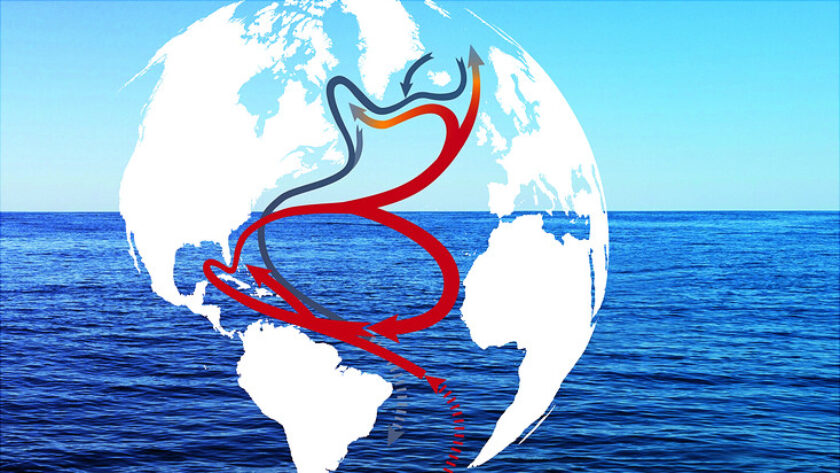
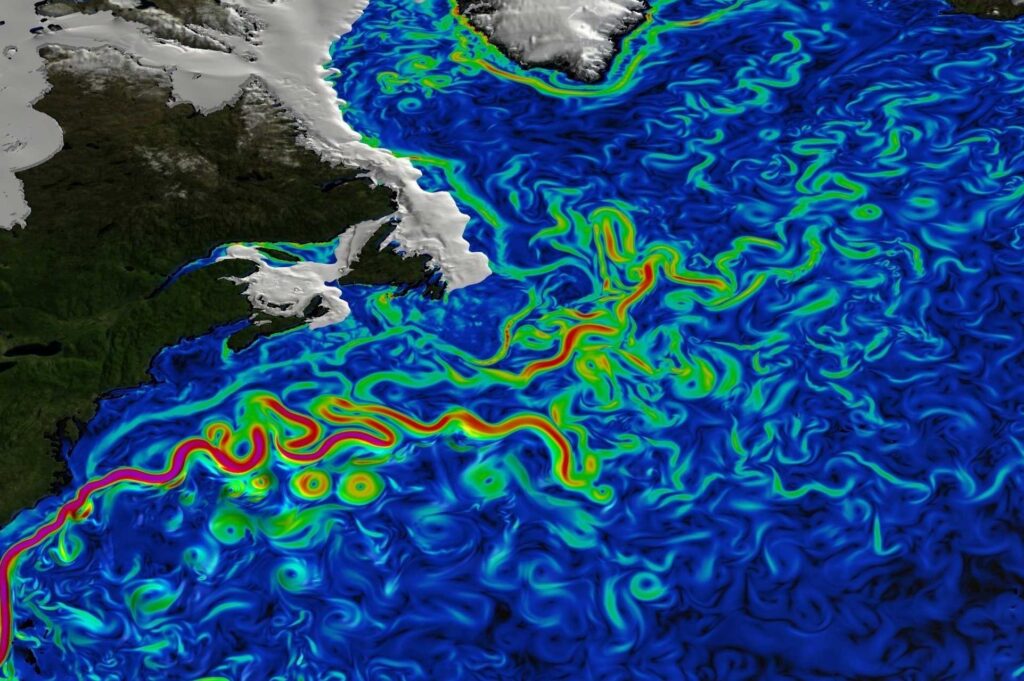
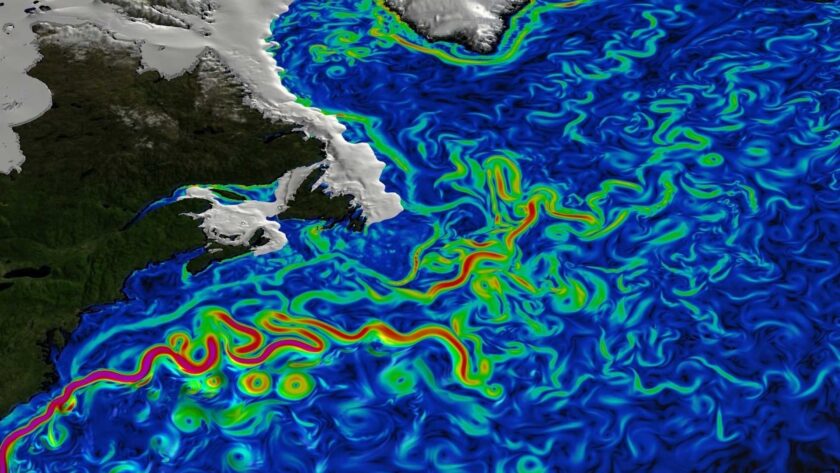
Gulf Stream circulation
To the Publication (in German)
All publications of the Strategy Group
- The ocean surface layer in a warming world (2026)
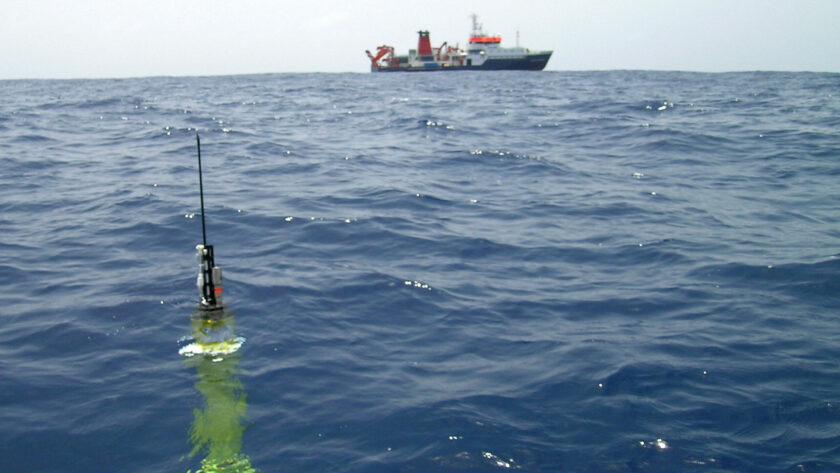
- Measuring the Atlantic circulation (2021) (in German)
- Future of sea levels (2021) (in German)
- Gulf Stream circulation (2017) (in German)
Further information on climate and ocean circulation
Members





Alumni



DAM-Newsletter
Always up to date with the DAM newsletter. (German only)
Our Sponsors
The federal government and the governments of the five northern German states support the current development and sponsor the DAM.